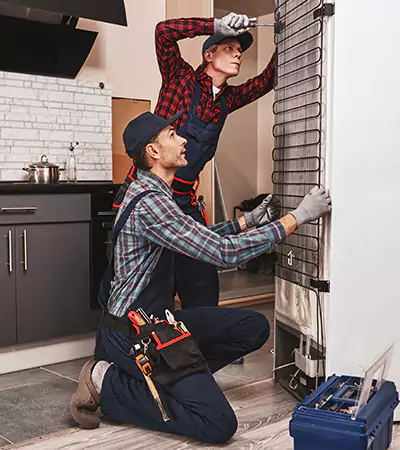
Homeowners often face a difficult choice when an appliance stops working. Should they schedule in-home appliance repair, or should they replace the unit with a new model?
This decision depends on the problem, age, repair price, energy use, brand quality, part availability, and long term value. A clear comparison can help you avoid wasting money on the wrong option.
Why This Decision Matters?
Every broken appliance creates stress, especially when it affects food storage, laundry, cooking, or daily cleanup. A failed refrigerator, washer, dryer, dishwasher, or oven can disrupt the entire household.
Smart appliance repair or replacement decisions help homeowners protect their budget. The right choice can save money, reduce downtime, and keep the home running smoothly.
Understanding Repair vs Replacement
Many homeowners compare appliance repair vs appliance replacement when the problem appears serious. Repair may make sense when the appliance is newer, the issue is limited, and the repair price is reasonable.
Replacement may be better when the unit is very old, repair parts are costly, or the appliance keeps breaking down. A practical decision should focus on total cost, expected lifespan, and future performance.
When In-Home Repair Makes Sense?
Convenient home appliance repair can be the better option when the appliance still has years of useful service left. A technician can inspect the unit inside your home and check the actual installation setup.
Reliable residential appliance repair also helps when the issue involves a replaceable part. Common examples include a broken belt, faulty switch, clogged drain, bad igniter, worn seal, or damaged thermostat.
When Replacement May Be Better?
Knowing when to replace appliances can prevent repeated repair bills. Replacement may be smarter when the appliance is near the end of its expected life and the repair would cost too much.
Frequent breakdowns are another warning sign. If the same unit needs service again and again, a new appliance may provide better reliability.
Looking at Repair Cost
The appliance repair cost depends on the appliance type, part price, labor time, brand, accessibility, and issue severity. A simple repair often costs less than buying a new unit.
Major repairs can change the decision. Compressor work, control board replacement, motor failure, and sealed system repairs may cost more than homeowners expect.
Comparing Replacement Cost
The appliance replacement cost includes more than the price of the new unit. Delivery, installation, haul away, new hoses, power cords, trim kits, and possible cabinet changes can increase the total expense.
New appliances can also cost more when you choose higher efficiency models or premium brands. A full cost review gives a more realistic picture than looking at the sticker price alone.
Considering Appliance Lifespan
The appliance lifespan matters because every unit has a normal service window. Refrigerators, dishwashers, washers, dryers, ovens, and stoves can last for years when used properly.
Age should not be the only factor, but it should guide the decision. A newer appliance with one repairable issue may be worth fixing, while an older unit with several problems may not be worth more spending.
When Repair Is the Smarter Choice?
Understanding when to repair appliances can help homeowners avoid unnecessary replacement. Repair often makes sense when the unit is under ten years old, the issue is minor, and the appliance has worked well until now.
Repair may also be smart when the unit matches your kitchen or laundry setup. Keeping a properly fitted appliance can save money on modifications and installation changes.
Why Diagnosis Comes First?
Proper appliance diagnosis helps homeowners make a confident decision. A technician can test parts, inspect connections, check error codes, and identify the true cause of failure.
Guessing can lead to wasted money. A clear diagnosis helps you decide whether repair gives enough value or replacement is the better long term choice.
Role of a Professional Technician
An experienced appliance repair technician can explain the issue in simple terms. They can also identify whether the appliance has one repairable problem or multiple signs of failure.
Skilled professional appliance repair reduces the risk of replacing a unit too early. A technician may find a simple fix that restores performance without the cost of a new appliance.
Value of Repair Services
Quality appliance repair services give homeowners a practical way to extend appliance life. A service visit can include inspection, testing, part replacement, safety checks, and performance review.
Clear communication matters during the visit. A trustworthy provider should explain the repair option, expected cost, and likely outcome before starting major work.
Broken Appliance Repair Considerations
Timely broken appliance repair is helpful when the issue is specific and repairable. A washer that needs a pump, a dryer with a worn belt, or an oven with a faulty igniter may not need replacement.
Ongoing failure tells a different story. If the appliance has several worn parts, poor efficiency, and repeated service needs, replacement may be more practical.
Refrigerator Repair or Replacement
Choosing refrigerator repair or replacement depends on cooling performance, age, repair type, and food safety concerns. A bad fan, thermostat, gasket, or drain issue may be worth repairing.
Compressor failure can make the decision harder. If the refrigerator is older and the repair is expensive, replacement may offer better reliability and energy performance.
Washer Repair or Replacement
Deciding on washer repair or replacement depends on the cause of the problem. Leaks, drainage failure, shaking, and spin issues can often be repaired when the unit is still in good condition.
Older washers with rust, bearing failure, control problems, and repeated leaks may not be worth fixing. Replacement may reduce water waste and improve performance.
Dryer Repair or Replacement
A dryer repair or replacement decision often starts with heat, airflow, and safety. Many dryer problems come from clogged vents, worn drum parts, faulty thermostats, or failed heating elements.
Repair may be cost effective when the dryer structure is still solid. Replacement may be better when overheating, motor failure, and age all point to ongoing risk.
Dishwasher Repair or Replacement
The dishwasher repair or replacement choice depends on leaks, cleaning performance, drainage, and age. Pumps, seals, spray arms, filters, and inlet valves can often be repaired.
A replacement may make sense when the dishwasher has major control issues, repeated leaks, or poor cleaning after past repairs. Newer models may also offer quieter operation and better water use.
Oven Repair or Replacement
An oven repair or replacement decision depends on heating accuracy, safety, and part condition. Sensors, igniters, heating elements, and thermostats are common repair items.
Replacement may be better if the oven has repeated electrical faults, damaged controls, or serious wear. Built-in units may require extra planning because size and cabinet fit matter.
Appliance Repair vs. Replacement Decision Guide
| Appliance | Common Repairable Issues | Indicators for Replacement |
|---|---|---|
| Refrigerator | Fan, thermostat, gasket, drain clog. | Expensive compressor failure; significant age; poor energy efficiency. |
| Washing Machine | Pump, belt, inlet valve, drainage issues. | Persistent leaks, bearing failure, rust, or recurring control board faults. |
| Dryer | Vents, drum rollers, thermostats, heating elements. | Ongoing overheating, motor failure, or structural degradation. |
| Dishwasher | Spray arms, filters, pump, inlet valve. | Major control board issues, poor cleaning performance, or frequent leaks. |
| Oven / Stove | Igniter, heating element, sensor, thermostat. | Multiple electrical faults, damaged controls, or discontinued parts. |
Maintenance Can Change the Outcome
Regular appliance maintenance can make repair more worthwhile. Cleaning coils, clearing dryer vents, wiping seals, checking hoses, and cleaning filters help appliances run better.
Good care also helps prevent early failure. A well-maintained appliance may last longer and provide better repair value when a part fails.
Efficiency and Long Term Savings
Improved appliance efficiency can influence the repair versus replacement decision. Older units may use more electricity, gas, or water than newer models.
Still, replacement is not always the cheapest choice. If the current appliance works efficiently after a simple repair, keeping it may be the smarter financial move.
Older Appliances Need Careful Review
Choosing old appliance repair requires a close look at condition, part availability, safety, and total cost. Some older appliances are built well and may still perform reliably after repair.
Parts can become harder to find as appliances age. If parts are expensive or discontinued, replacement may be the more realistic choice.
Measuring Repair Value
The appliance repair value comes from comparing repair cost with future usefulness. A repair has strong value when it restores safe performance at a reasonable price.
Poor value appears when the repair costs too much compared to the appliance age. A technician’s estimate can help you make a practical choice.
Cost Effective Decision Making
Smart homeowners look for cost-effective appliance repair when the repair solves the issue without creating another financial burden. A good repair should extend the life of the unit and support reliable performance.
Clear estimates help you compare options. If repair gives you several more years of service, it may be the best decision.
Final Thoughts
Choosing between repair and replacement depends on cost, age, condition, efficiency, and the type of problem. A newer appliance with one clear issue is often worth repairing.
A qualified technician can inspect the unit, explain the problem, and help you compare both options. With the right information, homeowners can make a confident decision that protects their budget and daily routine.